Biochar Carbon for Hydrocarbons

Myno Carbon’s engineered Biochar 3.0 is designed specifically for hydrocarbon-impacted soils and sediments. By combining high-performance adsorption with microbial biostimulation, it enables faster cleanup while restoring soil function.


Engineered biochar delivers a net-negative CO₂ footprint while providing a more cost-effective and environmentally responsible alternative to many traditional remediation methods, removing carbon from the atmosphere and generating climate-positive value from more complete land restoration.

Request a Consultation

Dual-Action Hydrocarbon Remediation

Two simultaneous remediation mechanisms accelerate site recovery while delivering sustained contaminant degradation.

Hydrocarbons Adsorption:

High surface area and porous structure rapidly sorb hydrocarbons including BTEX and PAHs.

Microbial Biostimulation:

 Cultivates microhabitats where microbial communities colonize and degrade hydrocarbons while restoring soil health.

As a carbon-smart remediation solution, Biochar 3.0 also sequesters carbon while reducing emissions compared with traditional remediation solutions.

Biochar 3.0: Engineered for Remediation

Hydrocarbon-impacted sites present persistent challenges, from BTEX and PAHs to subsurface contamination that disrupts soil health and delays regulatory closure.


Myno Carbon’s engineered biochars are designed for targeted sorption and biostimulation, supporting in-situ petroleum hydrocarbon degradation while improving soil structure, nutrient cycling, and water retention.


Read the science behind Myno Carbon’s biochar as green remediation solutions.

Download the ebook

Key Features

Engineered Biochar for Targeted Treatment


Every contaminated site is different. Soil chemistry, contaminant profiles, and groundwater conditions vary significantly.


Myno’s engineered biochar is designed to support site-specific remediation strategies, enabling targeted treatment for complex contamination scenarios.


Benefits

  • Tailored treatment for petroleum hydrocarbon contamination
  • Effective in soils and sediments
  • Compatible with existing remediation approaches
  • Supports both active production sites and legacy remediation

Soil Regeneration & Ecosystem Recovery


Traditional remediation focuses only on contaminant removal. Modern approaches aim to restore ecological function. Myno Carobn’s Biochar 3.0 restores soil health and accelerates more complete land recovery.


Benefits

Improves soil structure and aggregation

  • Increases water retention capacity
  • Enhances nutrient cycling
  • Cultivates beneficial microbial communities

Carbon-Smart Remediation


Myno Carbon’s biochar’s stable carbon matrix enables long-term carbon sequestration while reducing emissions compared with traditional remediation materials such as activated carbon.


Benefits

  • Carbon sequestration in soils
  • Climate-positive remediation strategies
  • Potential access to sustainability-linked financing
  • Alignment with ESG and climate investment goals
  • Remediation becomes an environmental and economic opportunity.

The Science Behind Biochar for Remediation

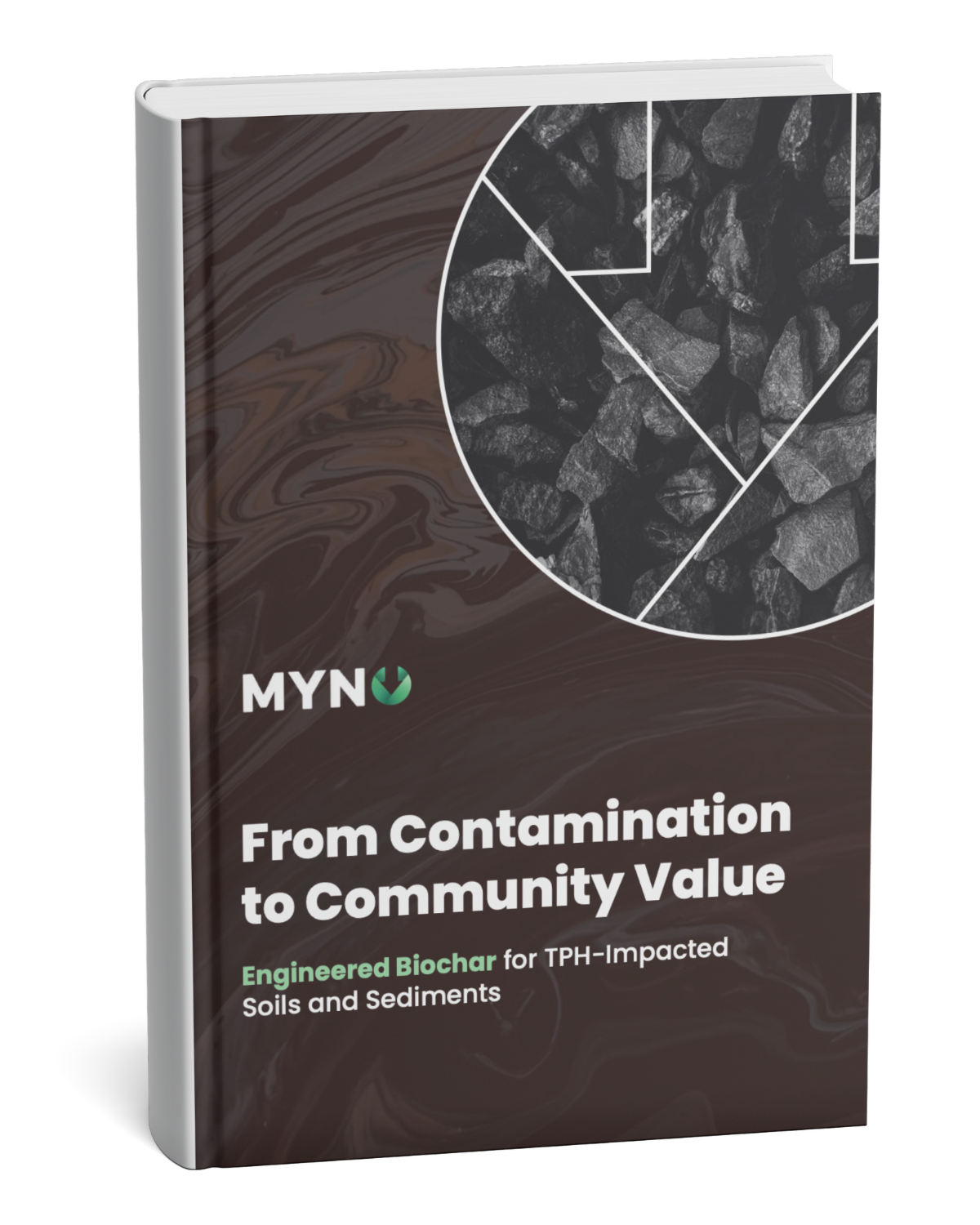
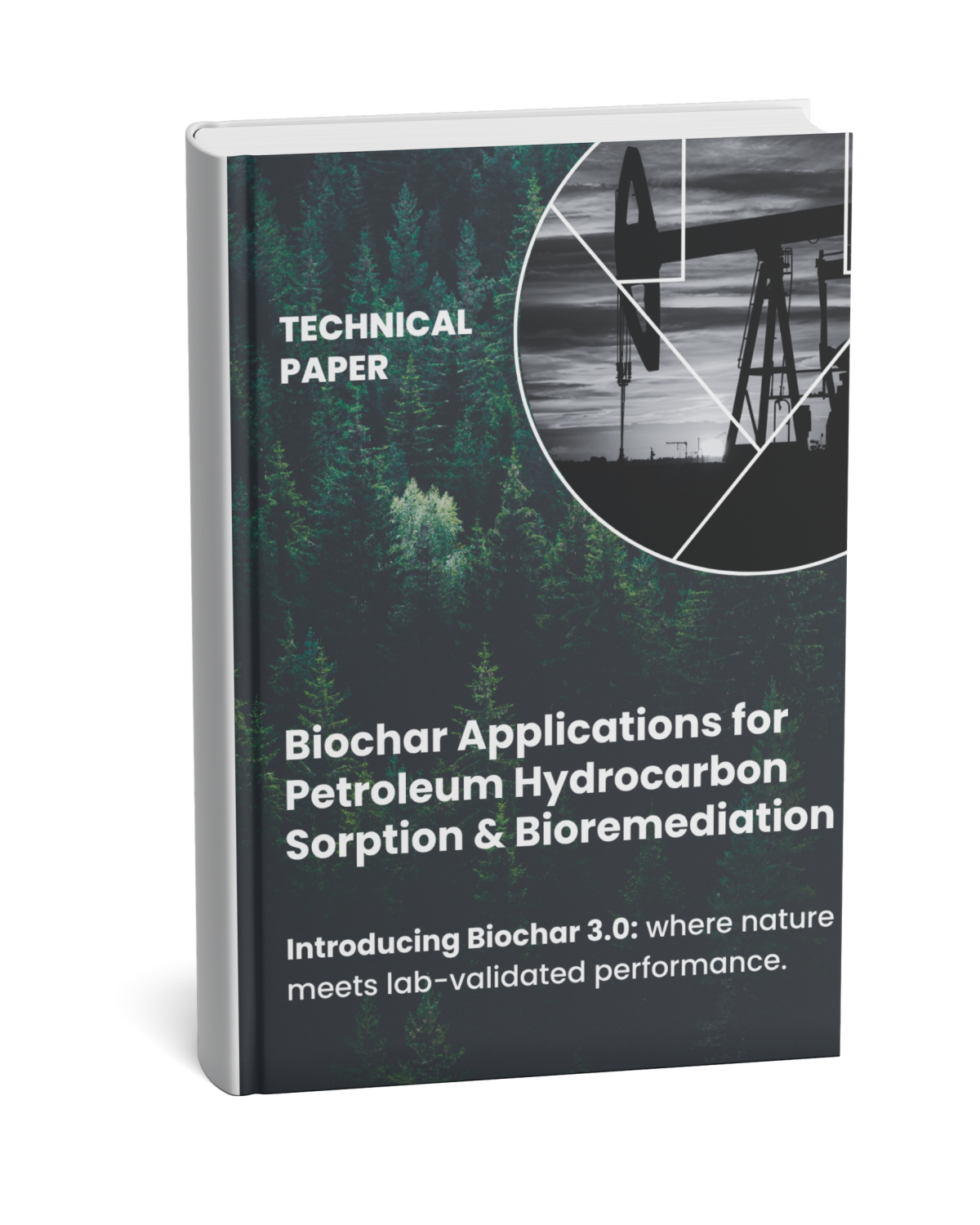
Myno’s Technical White paper features the latest sciences on how biochar accelerates petroleum hydrocarbon remediation across contaminated soils and sediment.


Laboratory and field study reviews demonstrate improved contaminant removal, enhanced microbial activity, and environmental advantages of biochar compared to traditional remediation materials such as activated carbon.

Deployment Use Cases

Preventive Application

Applied in high-risk areas to prevent contamination migration.

Rapid Spill Response

Biochar booms can be deployed quickly to contain and treat spills.

Systematic Site Treatment

Phased application sites reduces contamination load over time

Enhanced Natural Attenuation

Biochar integrates with natural remediation processes to accelerate degradation.

These deployment models accelerate remediation during active operations or post-production site recovery.

FAQs

What contaminants can Myno’s Biochar 3.0 address?

Biochar is effective at adsorbing a wide range of petroleum hydrocarbons including:

  • Benzene, Toluene, Ethylbenzene, Xylene (BTEX)
  • Polycyclic aromatic hydrocarbons (PAHs)
  • Total petroleum hydrocarbons (TPH)
  • Gasoline Range Organics (GRO) and Diesel Range Organics (DRO)


How does biochar for petroleum hydrocarbon remediation work?

Biochar works through two primary mechanisms:

    1. Adsorption: hydrocarbons bind to the biochar’s porous surface.
    2. Biostimulation: microbial communities colonize the biochar and degrade contaminants.


Together these processes accelerate contaminant removal and soil recovery.


Can biochar be used during active oil & gas production?

Yes. Biochar can be deployed:

  • During drilling operations
  • Around pipelines and wellpads
  • As spill-response containment
  • During ongoing remediation programs
  • Applications can be integrated into routine site maintenance without disrupting operations.


What makes engineered biochar different from traditional remediation materials?

Compared with conventional solutions such as activated carbon:

  • Supports microbial biodegradation
  • Improves soil health
  • Provides carbon sequestration benefits

This creates a more integrated remediation approach.


What are the economic benefits of biochar remediation?

Biochar remediation can:

  • Accelerate site closure timelines
  • Reduce long-term remediation costs
  • Lower environmental liabilities
  • Unlock land reuse opportunities
  • Attract sustainability-linked investment
  • Remediation shifts from cost center to value creation.

Let’s Discuss Smarter Hydrocarbon Remediation

Myno Carbon helps operators move beyond traditional remediation methods with integrated, carbon-smart solutions that restore land and create lasting value.


Whether your goal is to:

  • reduce environmental liabilities
  • accelerate site recovery
  • attract climate-aligned investment
  • unlock redevelopment potential


Myno Carbon can help.