




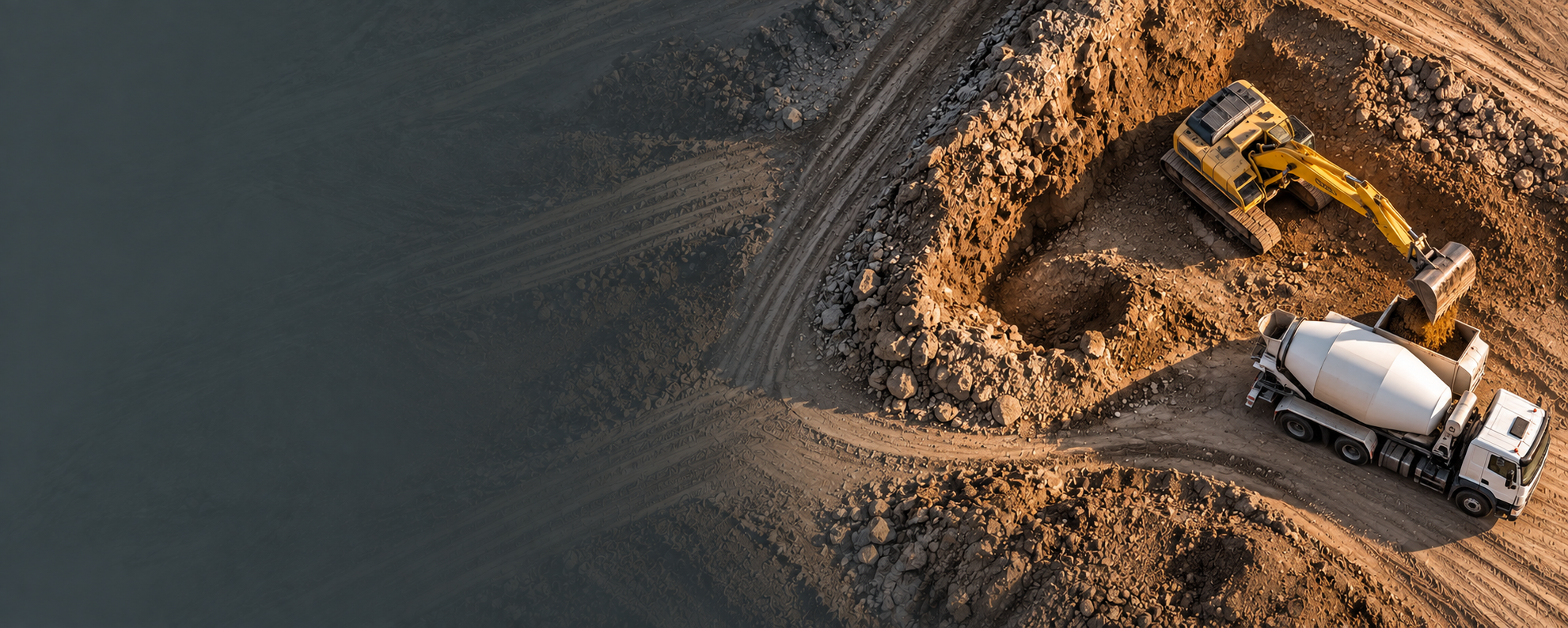
Biochar for Soil Stabilization
Contaminant-impacted soil can create ongoing migration, exposure and regulatory risks—especially when excavation is costly or disruptive. In-situ solidification/stabilization (ISS) treats contaminated media where it is located. Binding agents and engineered amendments are mixed directly into the soil to reduce contaminant mobility, limit exposure pathways and improve the properties of the treated material. By reducing or eliminating excavation, transportation and off-site disposal, ISS can provide a faster, more cost-effective path to managing site risk.
Treat Contaminated Soil in Place
Excavation-based remediation can require extensive soil handling, transportation, disposal and replacement with clean backfill.
Improved Remediation Performance
Myno Carbon’s engineered biochar can be incorporated into a site-specific ISS treatment mix to support contaminant stabilization and improve environmental performance.

Carbon Reduction
Biochar reduces reliance on carbon-intensive amendments such as cement while supporting an in-situ, lower-waste remediation strategy and storing durable carbon within the treated site.
Value Across ISS Stakeholders
Responsible-Party Site Managers
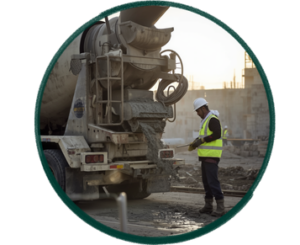
Reduce Site Risks & Treatment Time
Reduce Site Risk
- Reduce contaminant migration and associated environmental risks
- Minimize regulatory and exposure risks through improved containment
Reduce Remediation Costs & Disruption
- Avoid significant excavation, transportation and disposal costs
- Reduce the need for clean backfill and limiting disruption to ongoing site operations
Improve Project Predictability
- Reduce truck traffic and community impacts while improving schedule and cost predictability
- Implement within months, depending on site conditions and scope
Engineering Company Project Managers

Stabilize Contamination and Improve Sustainability
Reduce Petroleum Hydrocarbon Mobility
- Biochar’s porous carbon structure can sorb petroleum hydrocarbons
- Limit their movement through treated soil
Optimize Treatment Formulations
- Incorporated with appropriate binding agents into treatment formulations
- Designed around the site’s physical and chemical requirements.
Potentially Reduce Cement Requirements
- Reduce reliance on carbon-intensive amendments such as cement while contributing to a stabilized treatment matrix.
Improve Remediation Sustainability
- Limit soil requiring off-site management
- Improve the sustainability profile of the remedy
- Incorporate durable carbon storage into project outcomes
Engineered Biochar in an ISS Project
Myno Carbon’s engineered biochar is being used in an in-situ solidification/stabilization project to support contaminant stabilization and a lower-impact approach to remediation.
Key Features
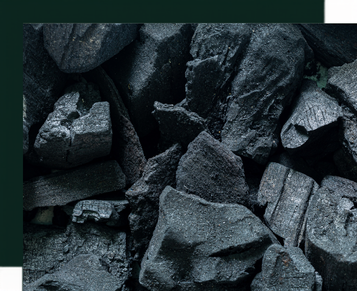
Reduce Contaminant Mobility
Biochar’s porous carbon structure can sorb petroleum hydrocarbons, helping limit their movement through the treated soil.
Benefits
- Sorbs petroleum hydrocarbons
- Reduces contaminant mobility
- Limits potential migration
- Supports contaminant stabilization
Support a Stable Treatment Matrix
When combined with appropriate binding agents, biochar can immobilize contaminants and contribute to a stabilized soil matrix designed around the site’s physical and chemical requirements.
Benefits
- Supports contaminant immobilization
- Complements binding agents
- Contributes to soil stabilization
- Supports site-specific formulations
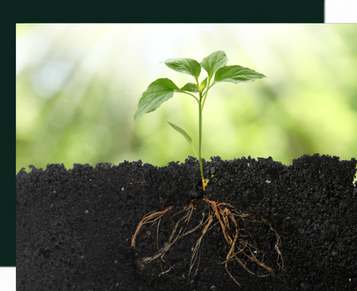

Improve Project Sustainability
Biochar can help reduce reliance on carbon-intensive amendments such as cement while supporting an in-situ, lower-waste remediation strategy.
Benefits
- Potentially reduces cement requirements
- Reduces off-site soil management
- Supports lower-waste remediation
- Improves remedy sustainability
Store Durable Carbon
Biochar contains carbon that can remain stored in perpetuity when used on stabilization jobs, adding a measurable climate benefit to the project.
Benefits
- Stores durable carbon
- Adds a measurable climate benefit
- Integrates carbon storage with remediation
- Improves sustainability metrics

Manage Contamination in Place
Active Sites and Infrastructure
Treat impacted soil near active operations while limiting excavation disruption.
Large or Difficult Soil Volumes
Address large volumes of impacted soil that are difficult to excavate.
Sensitive Site Conditions
Treat contamination near in locations where excavation may be challenging.
Contaminant Mobility Control
Stabilize impacted soil in place on projects to reduce with lower-waste remediation.
Treatment design depends on contaminant concentrations, soil and groundwater conditions, future land use and required performance standards.
FAQs
When should engineered biochar be considered for an ISS remediation project?
Engineered biochar can be considered for ISS projects where contaminated subsurface soil presents a migration or exposure risk, but excavation would be costly, disruptive or technically challenging. This can include active sites, locations near buildings or utilities, and projects involving large volumes of deep or saturated impacted soil.
How can engineered biochar improve an ISS treatment formulation?
Biochar’s porous carbon structure can sorb petroleum hydrocarbons, helping limit their movement through treated soil. When combined with appropriate binding agents, it can also contribute to a stabilized treatment matrix designed around the site’s specific physical and chemical requirements.
For engineering teams, this provides another tool for optimizing the treatment formulation around contaminant mobility, stabilization requirements and overall project performance.
How does Myno help engineering and environmental consultants determine whether biochar is appropriate for a specific site?
Myno works alongside engineering partners from initial treatability testing through field application and performance evaluation. The process includes evaluating soil, contaminants, and treatment objectives; conducting site-specific testing; selecting the appropriate biochar and application rate; and developing application and monitoring plans
Can biochar help reduce the amount of cement required for ISS?
Engineered biochar can be incorporated alongside binding agents to support a stabilized treatment matrix while helping reduce reliance on carbon-intensive amendments such as cement. The appropriate formulation will depend on the site’s contaminants, soil and groundwater conditions, performance requirements and other project-specific factors.
How does Myno Carbon help engineering teams determine the right biochar approach for a specific site?
Myno works with responsible parties and their engineering partners from initial treatability testing through field application and performance evaluation. The process starts by evaluating contaminants, soil characteristics, remedial objectives, site constraints and required performance standards.